
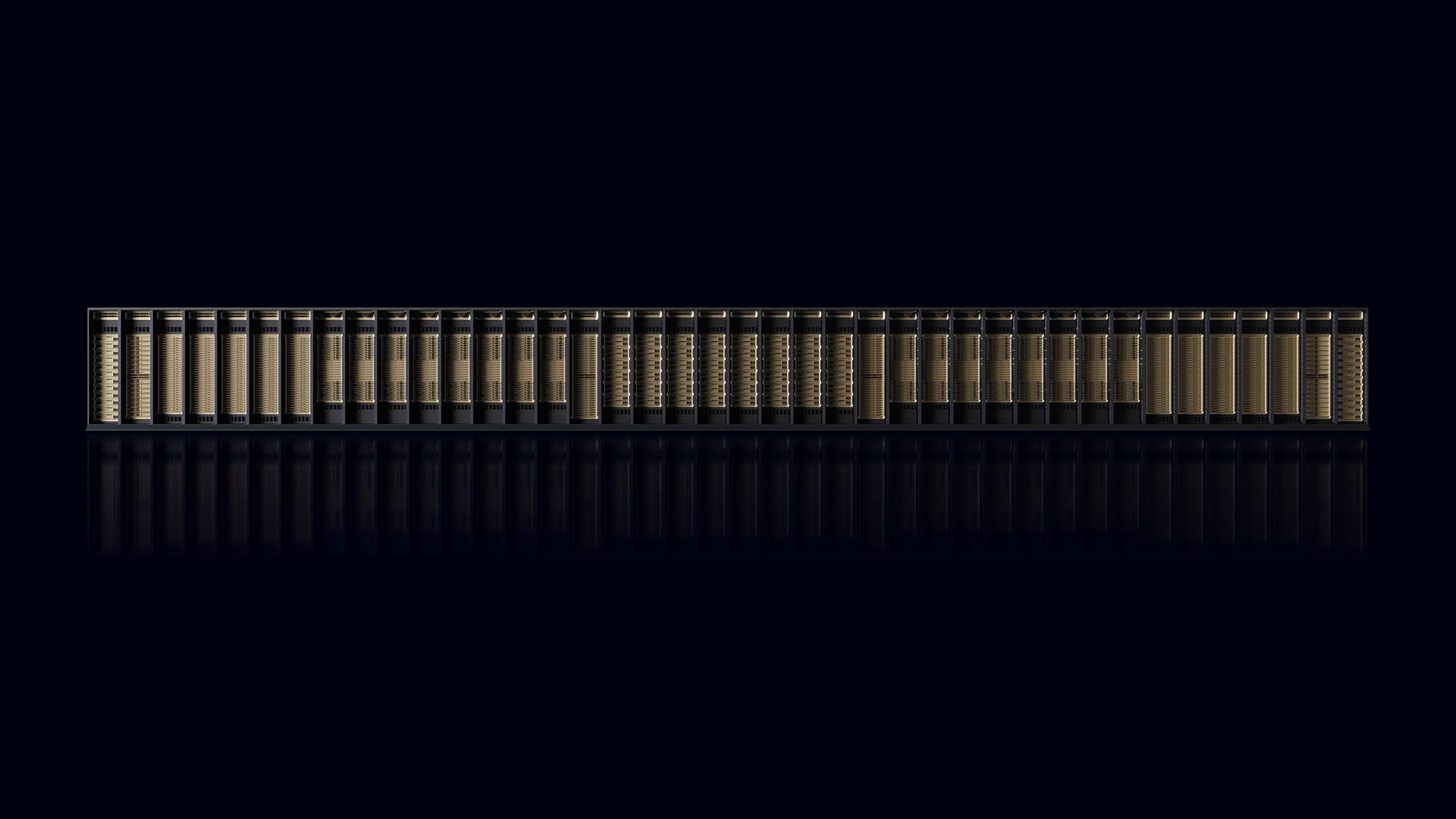
Nvidia described a commercial flexible-load program in which an AI factory automatically adjusted electricity consumption in response to signals from Silicon Valley Power. The demonstration used Emerald AI’s Conductor software and Nvidia’s DSX Flex technology to manage computing workloads without interrupting higher-priority jobs.
The system can respond to demand-response events, grid conditions and pricing signals. Lower-priority AI tasks are temporarily reduced or paused, while critical workloads continue operating. Nvidia said the software can later return the facility to normal consumption as grid conditions improve.
The test is significant because large AI facilities are usually planned as steady, high-volume electricity loads. Making some computing demand controllable could allow utilities to manage peaks without relying solely on new generation, transmission upgrades or emergency power resources.
Nvidia presented the program as part of a broader effort to increase output per megawatt through coordinated design of chips, networking, power systems, cooling and operations. The demonstration does not establish how much capacity the approach can provide across a full-scale campus, but it offers a practical example of AI infrastructure participating in grid-management programs.